SILCC is presently working in Kambia District as a Community Based Organization, serving a district population of over 345,000 people.
Mission: To preserve, revitalize, and promote Indigenous languages of Sierra Leone and to nurture the intergenerational connections that sustain them.
Vision: Indigenous languages spoken widely with confidence and pride.
Mission: To protect and restore the land and water to build diverse and harmonious ecosystems.
Vision: Flourishing land, clean and abundant waters that support a diversity of people and the natural world.
Mission: To strengthen intergenerational relationships and inspire connections to ancestral knowledge in ways that create flourishing communities.
Vision: Communities connected to Indigenous ancestral knowledge and ways of knowing.
Mission: To inspire people to value, strengthen, and reclaim their Indigenous identities, traditional cultural knowledge, and lifeways.
Vision: Thriving Indigenous cultural identities and traditional ways of doing and being.
"I will love to see this interesting dance of the sacred forest ceremonies in the new website." Gibrilla Kamara, SILCC
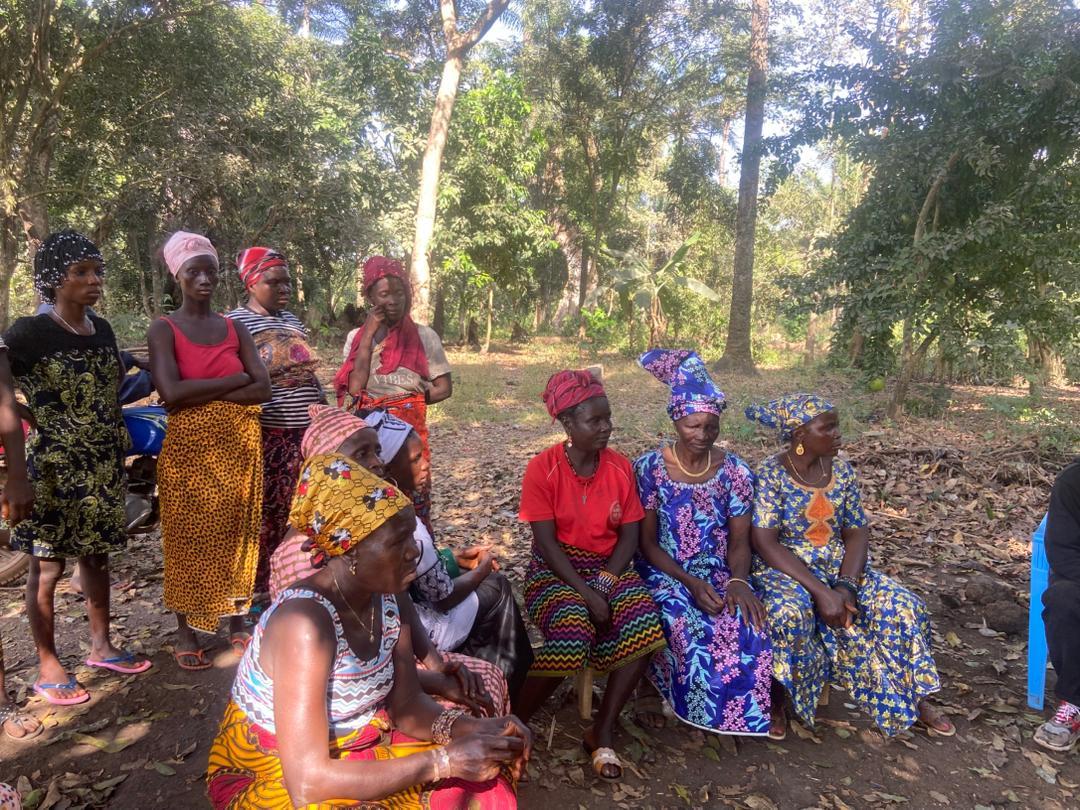
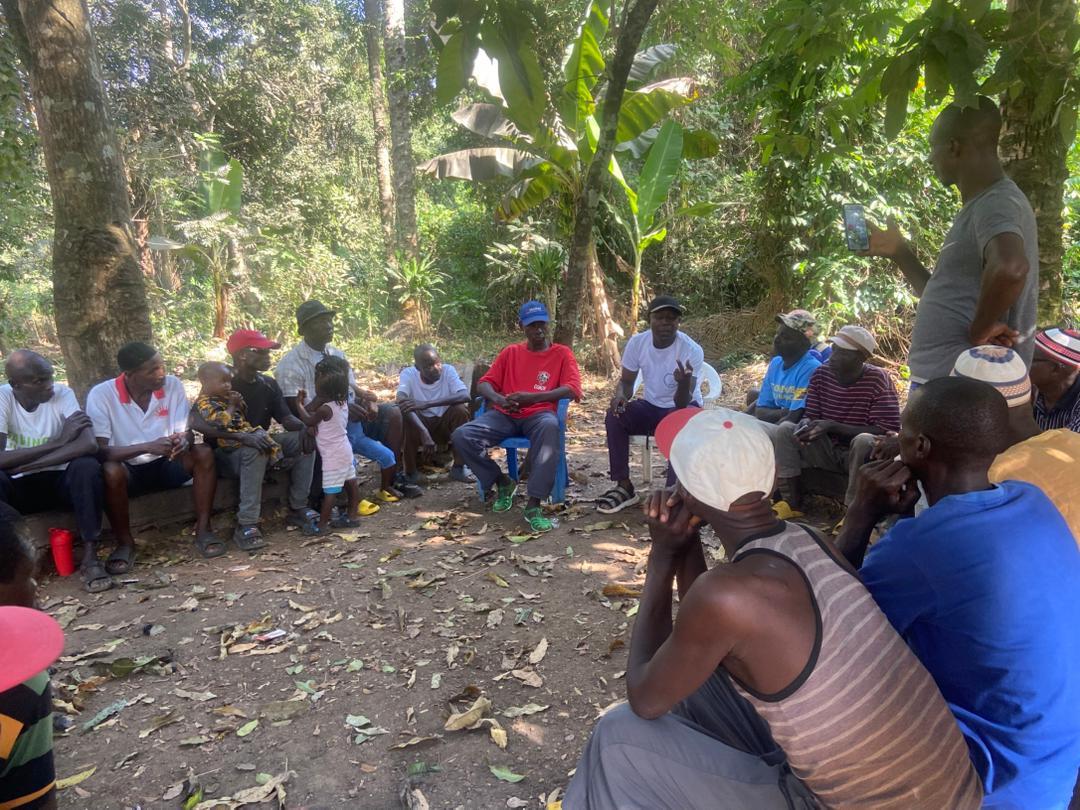
Discussing the importance of traditional forest and practices with community members in Konta Village.
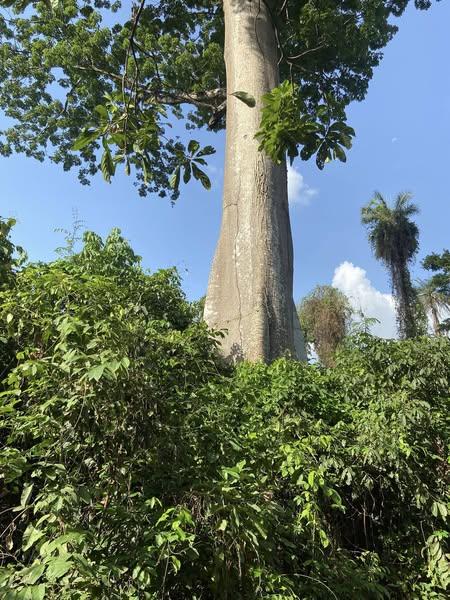
The sacred tree in the sacred forest, and the forest site where cooking, music, and other traditional practices are done.
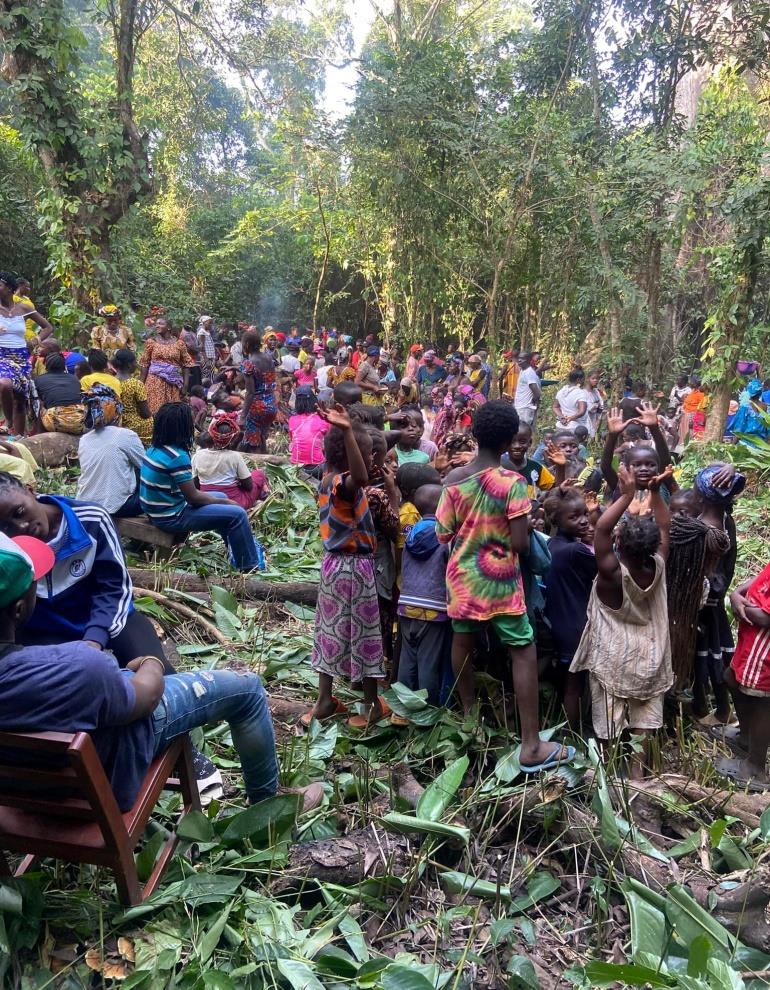
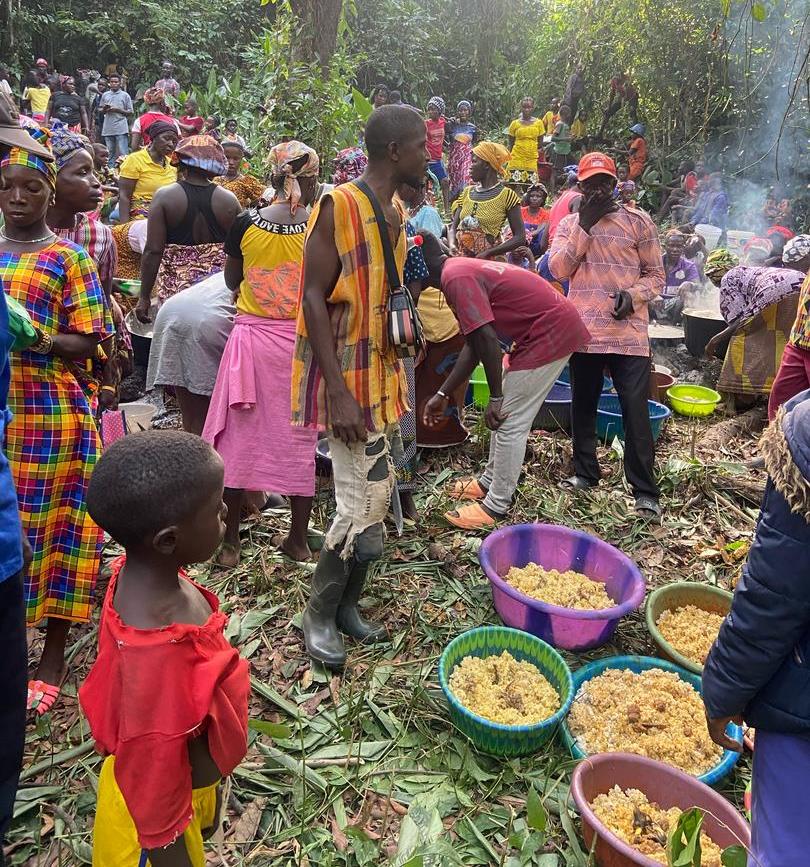
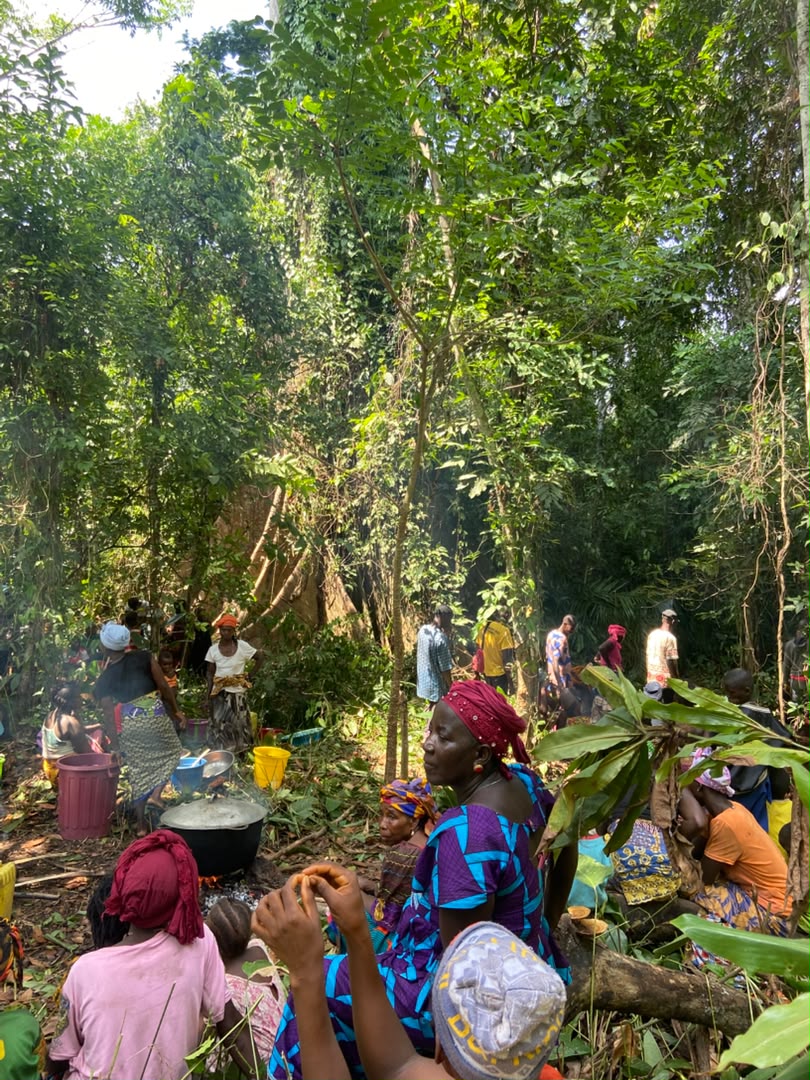
SILCC works with communities to protect Indigenous conservation knowledge preserved in our sacred forests. These signboards are erected in protected sacred forest areas to remind everyone that these forests, their traditional practices, language, cultural values and biodiversity must be respected, protected and passed on.
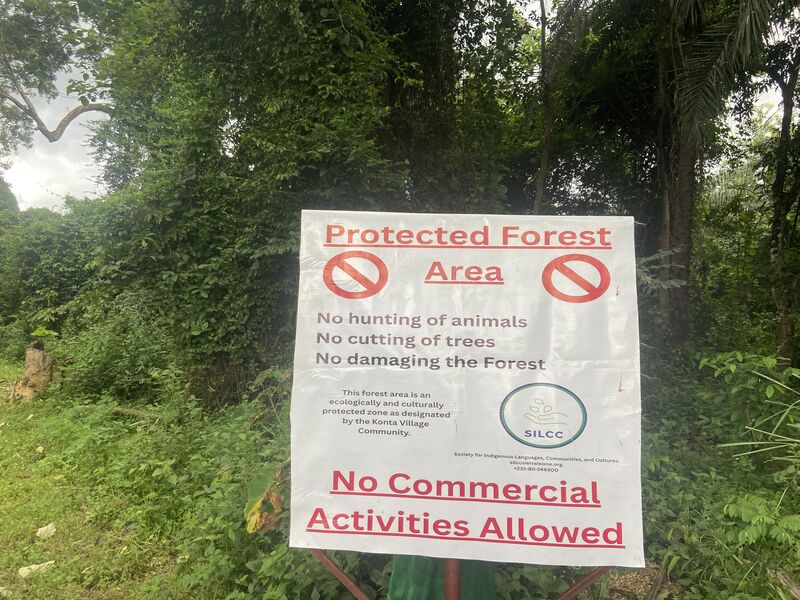
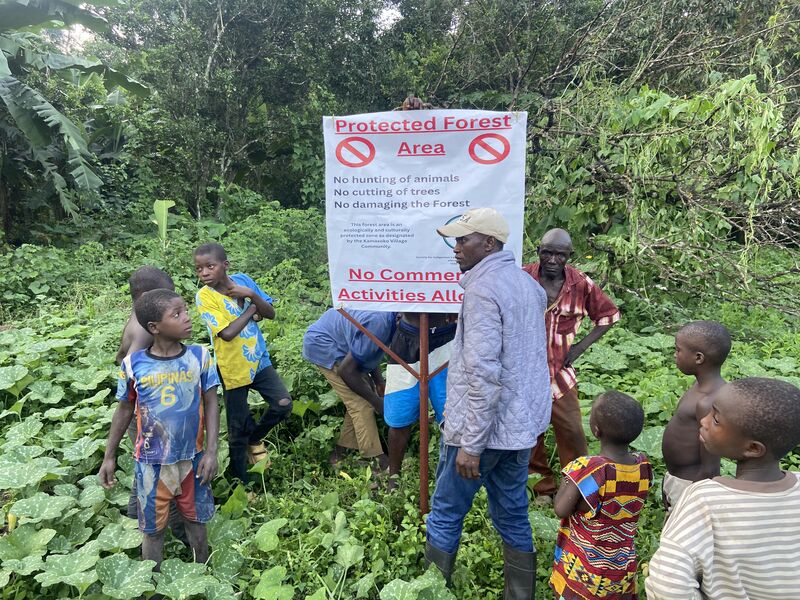
Another protected forest signboard, designated with the Kamasoko Village Community, standing alongside the one at Konta Village.
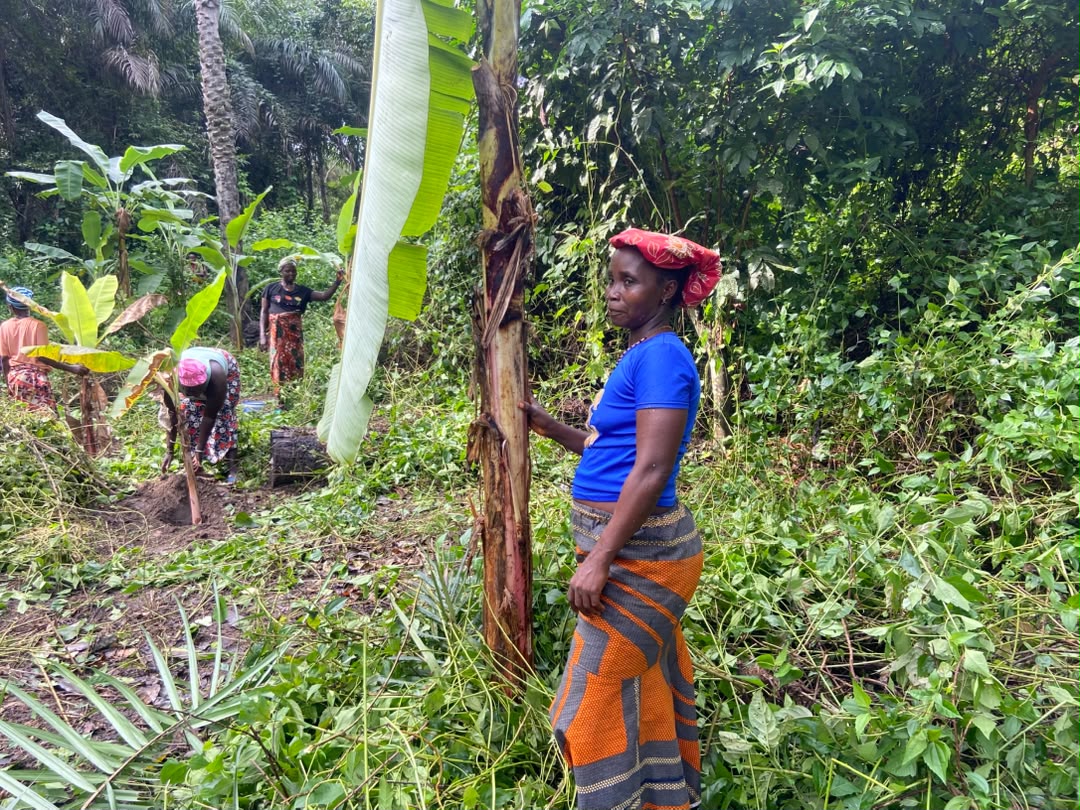
Community members planting banana suckers in the forest. See the videos in the gallery.
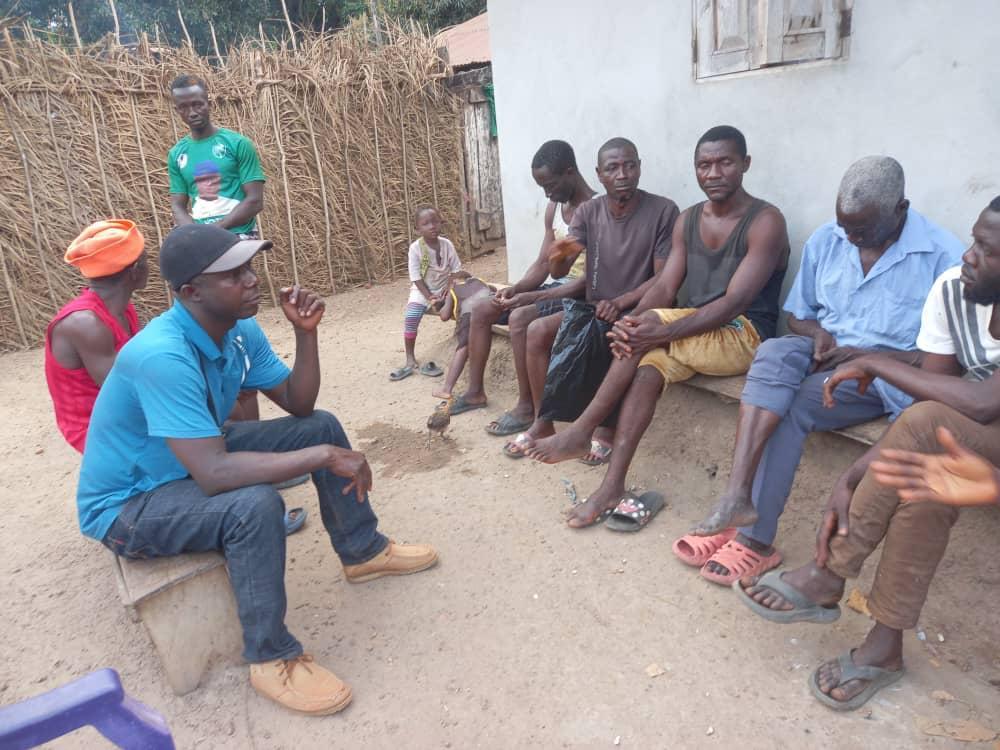
Discussing an agreement with community members before funds are given. The community must accept these policies and sign community agreements before funding is given.
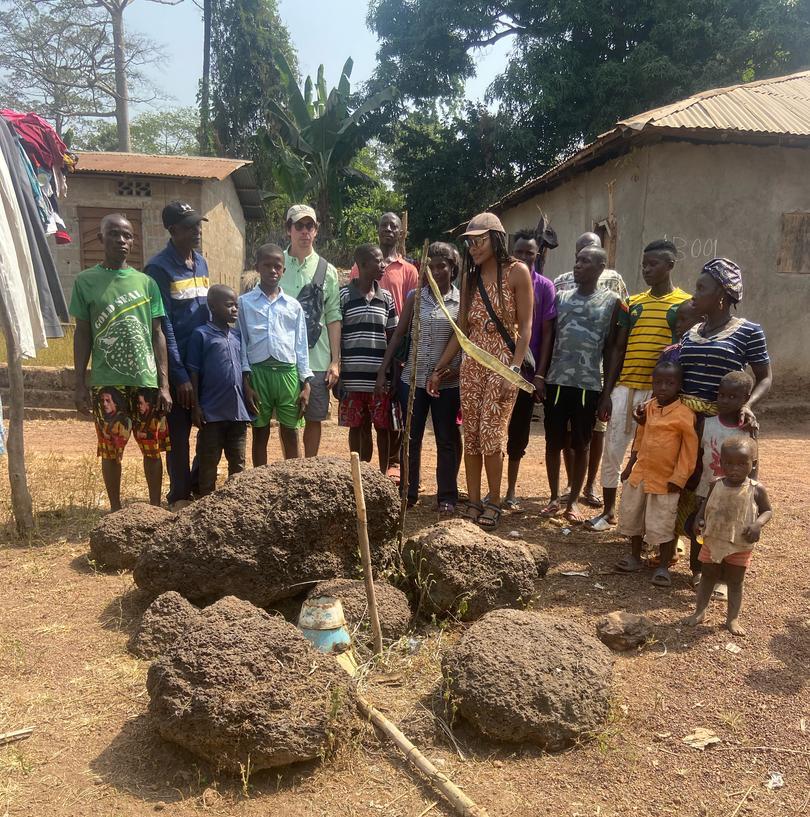
These are important monument stones that were used in traditional practices to honor ancestors. They are no longer being used in ceremonies, though the villagers continue to recognize their significance.
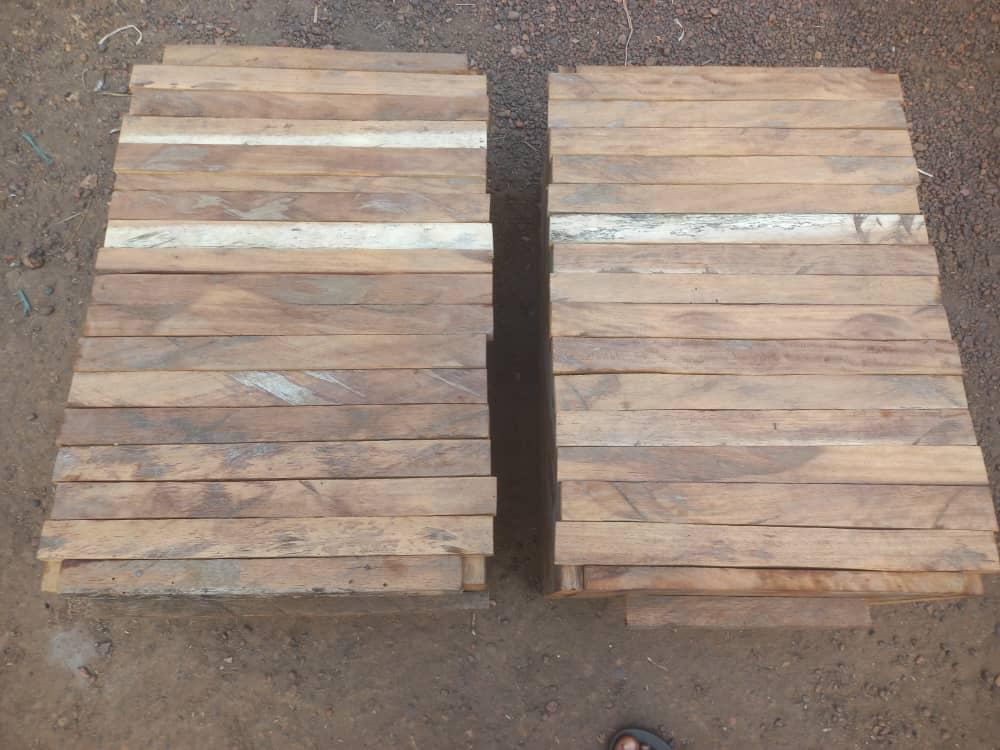
Forest preservation and beekeeping projects are interweaved for community livelihood. 8 boxes were made out of 50 as this year's target.
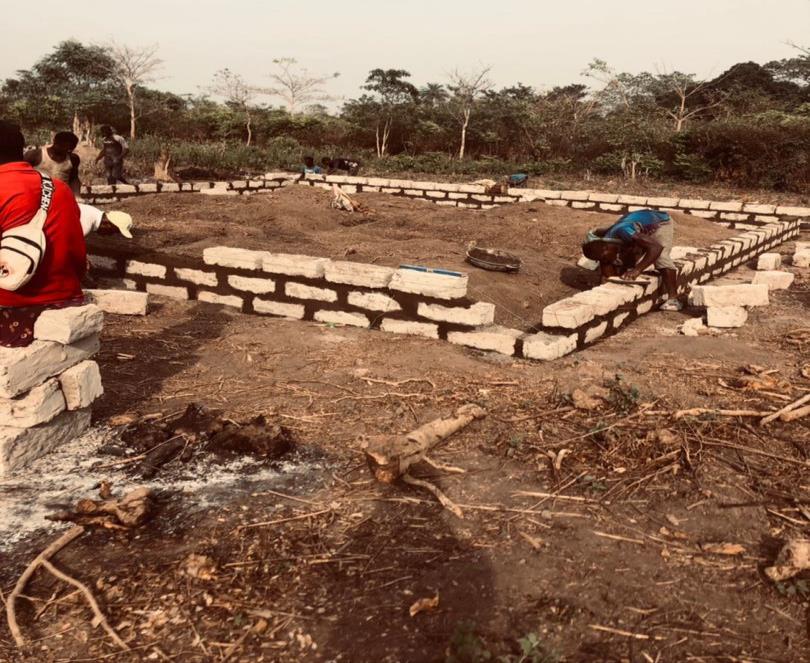
SILCC is constructing an office building in one village to enable access to our services for the indigenous community in Kambia District.
SILCC is a registered Nonprofit Community Based Organization working to revitalize endangered languages and cultures while protecting Sacred forests in Kambia District, Sierra Leone.
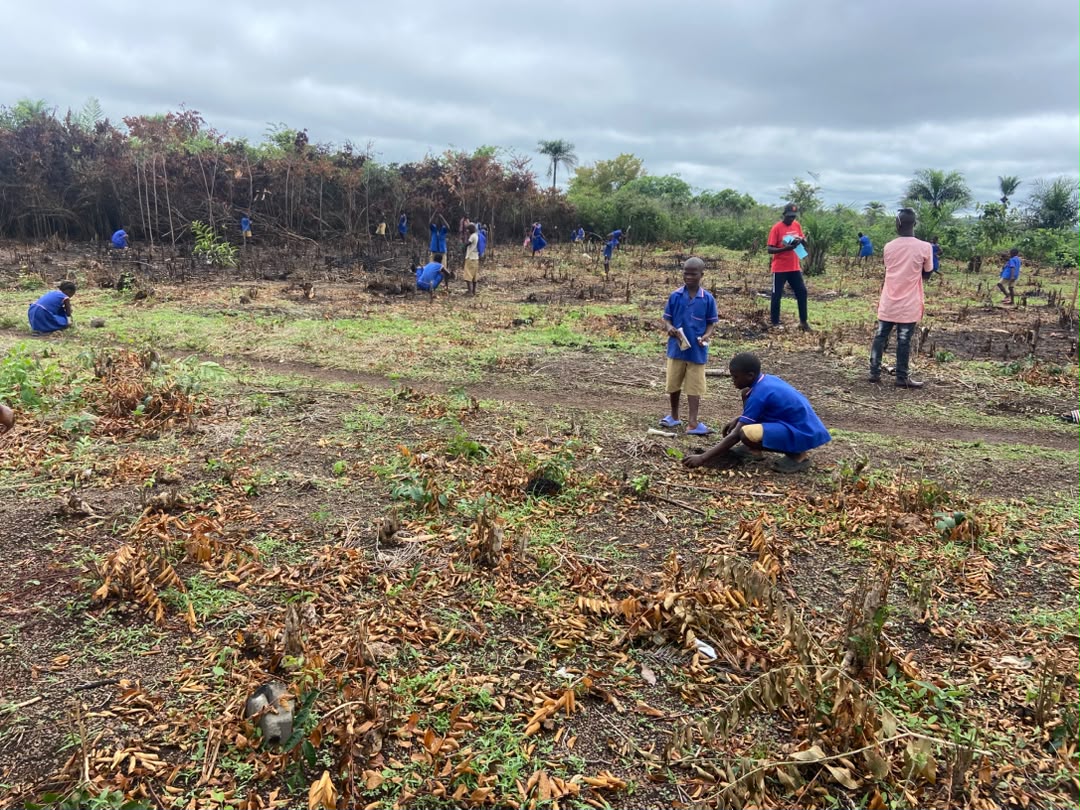
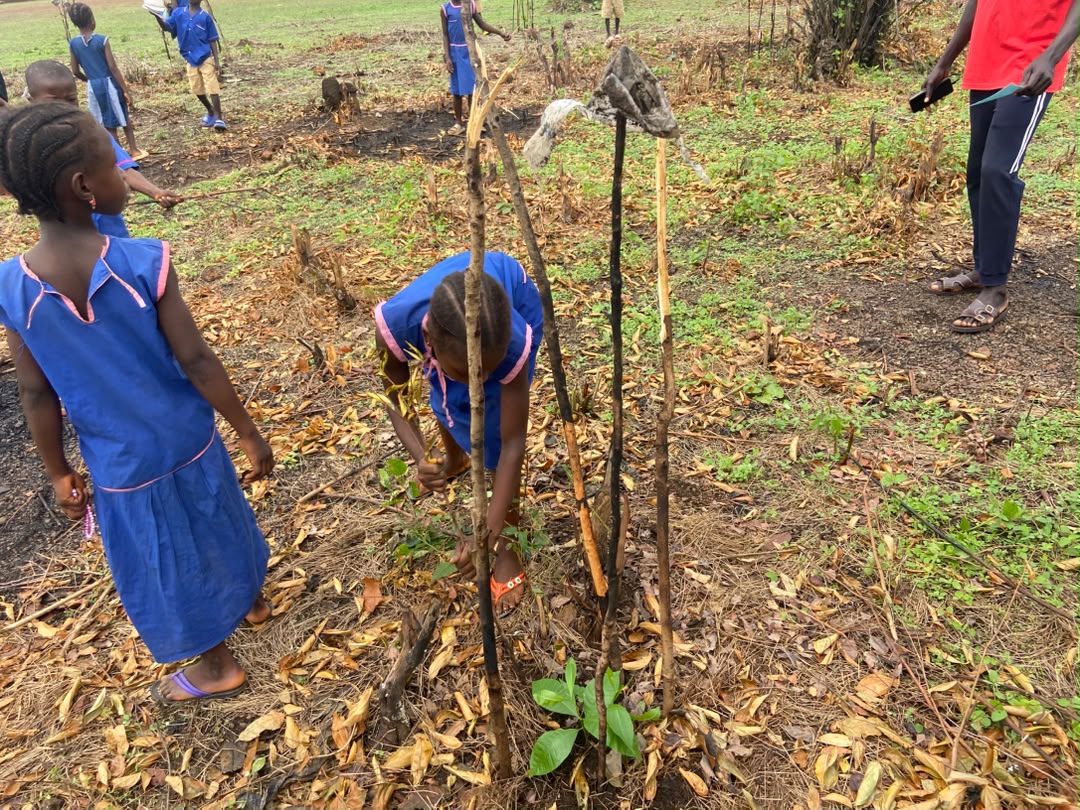
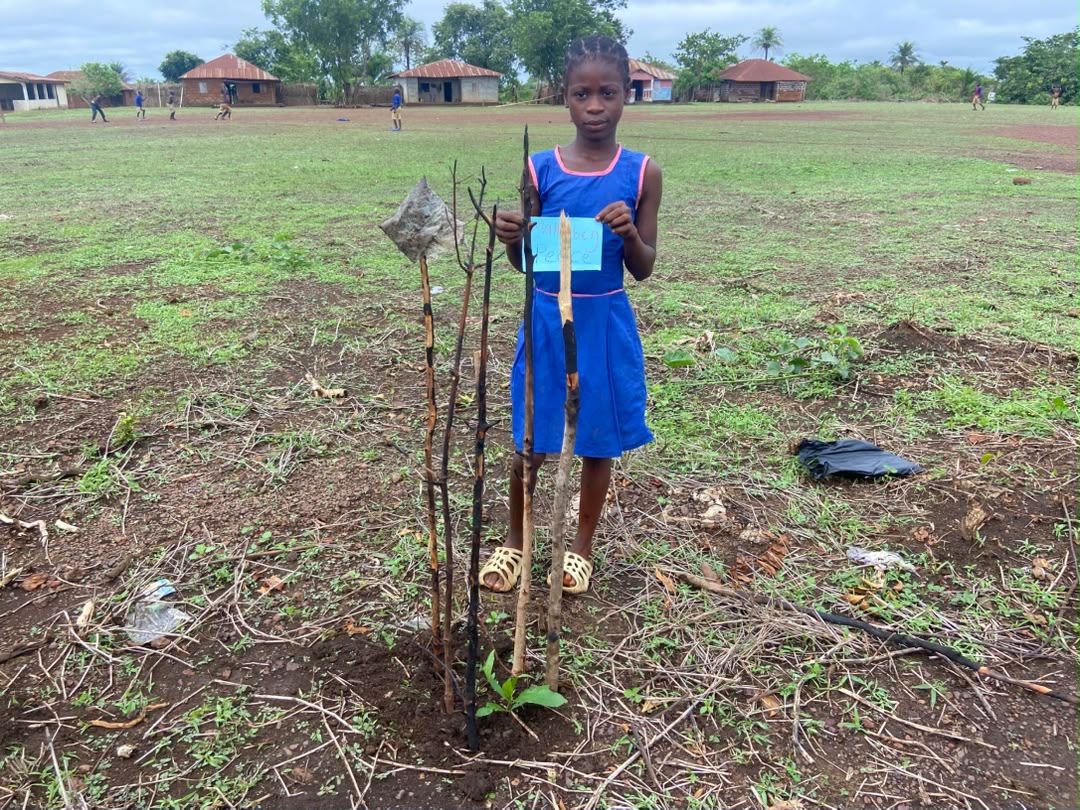
SILCC partners with 32 community schools to plant fruit trees and promote environmental conservation, with each school planting 100 trees, creating shaded playgrounds, reducing wind damage to school buildings, and providing nutritious fruits for pupils.
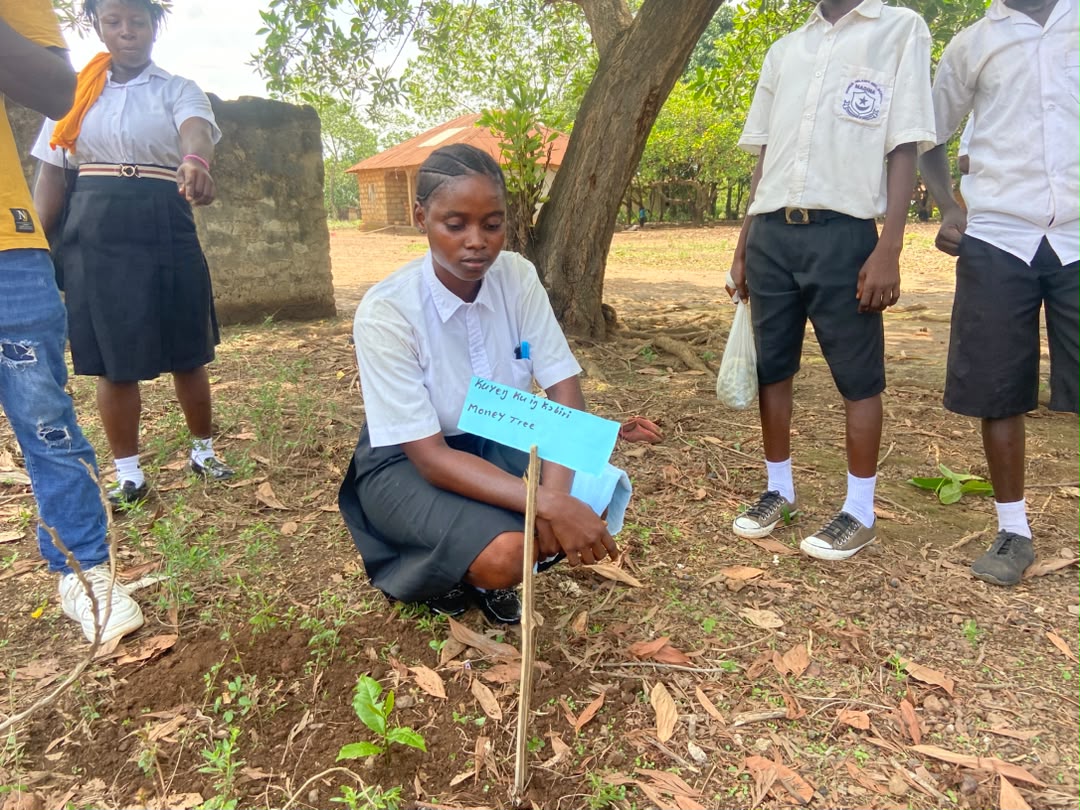
To preserve indigenous languages, every tree will be given a meaningful name in the local language, such as "Freedom tree" or "Peace tree." These names will be displayed on tags attached to the tree.
Each pupil will be assigned a tree to care for throughout their time in the school. The tree will serve as their legacy.
Pupils collect waste plastic from the street and repurpose it as nursery bags, used to nurse trees before planting day.
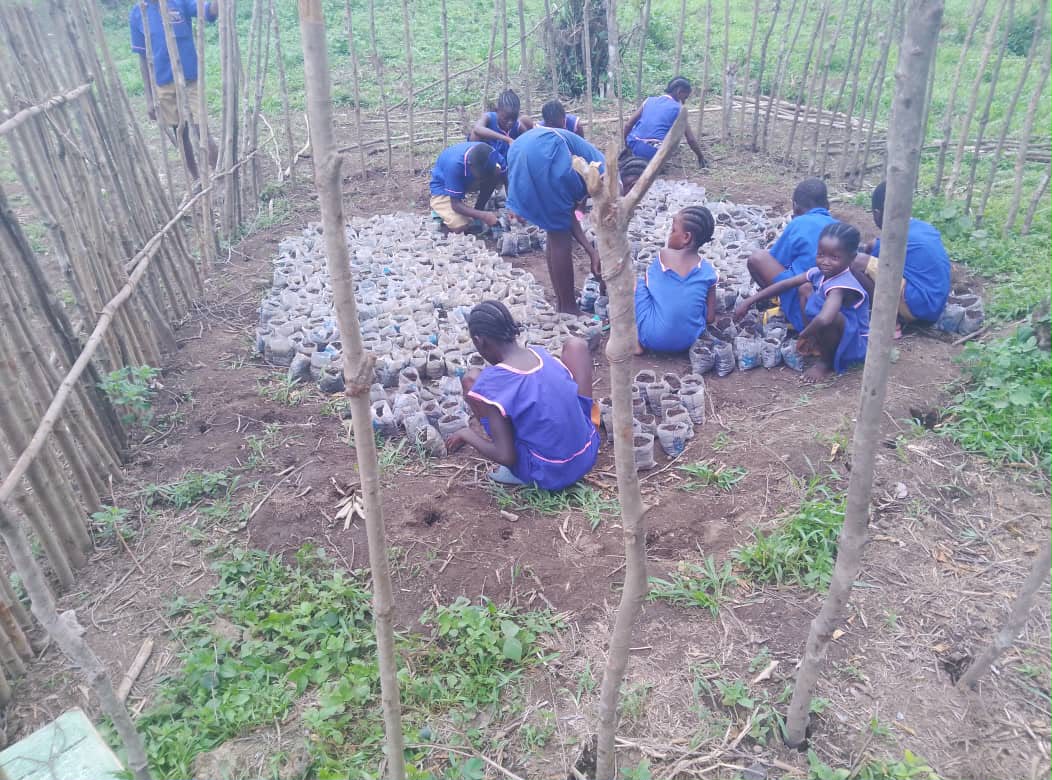
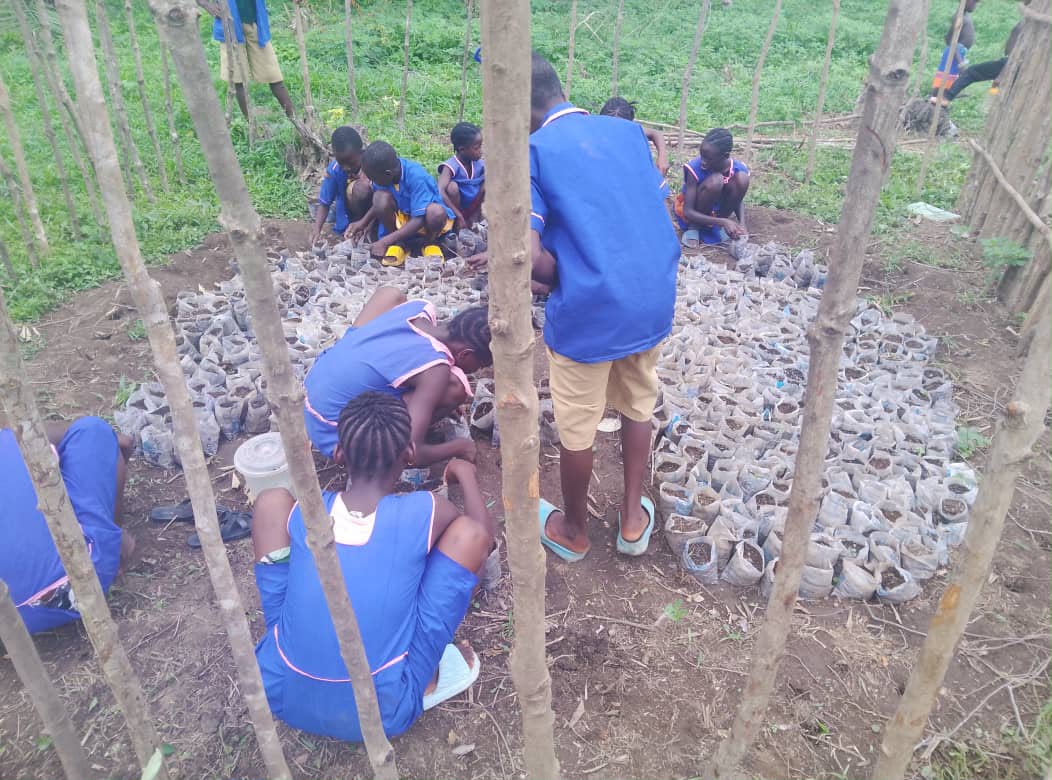
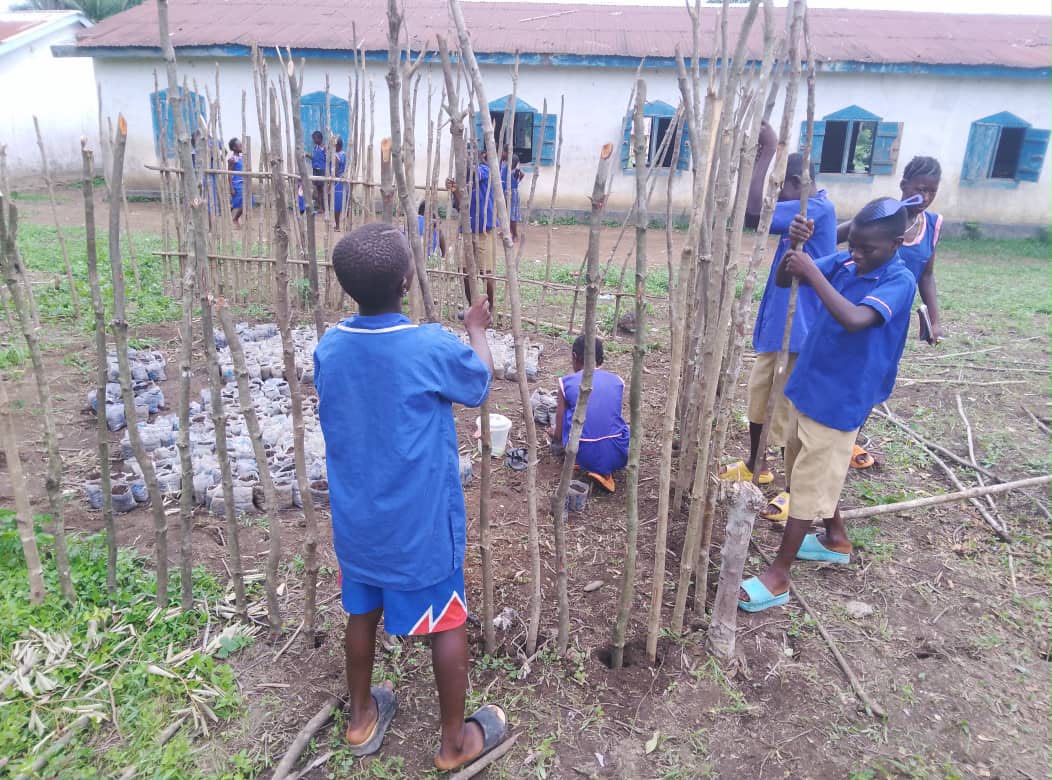
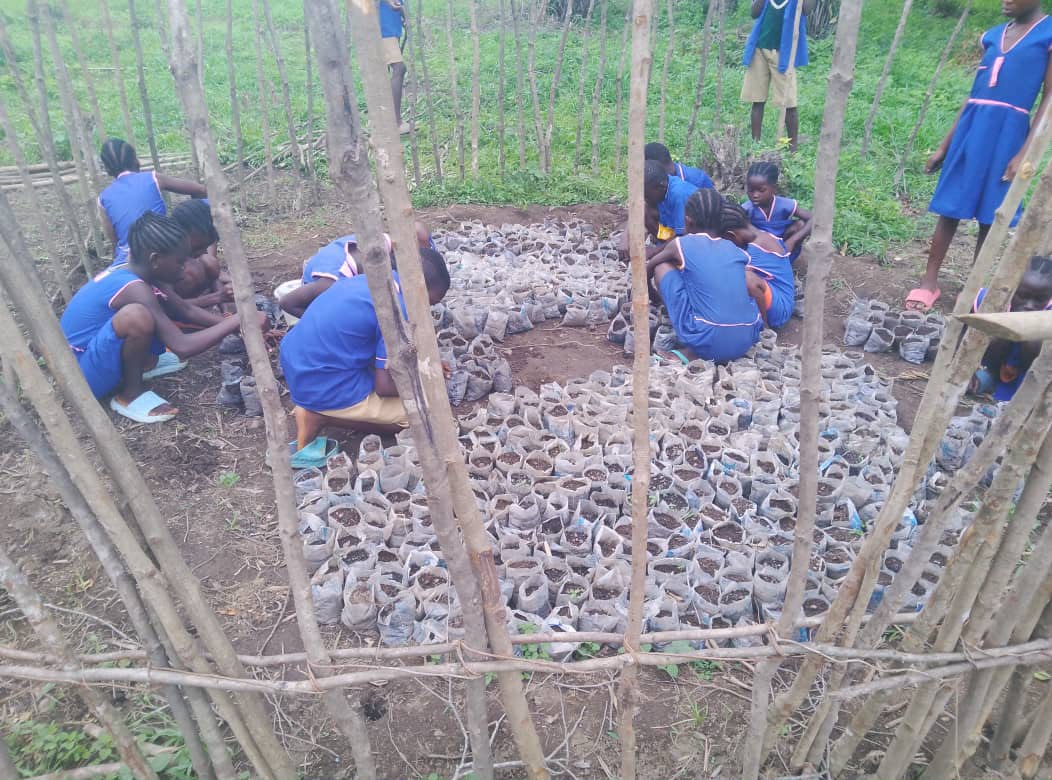
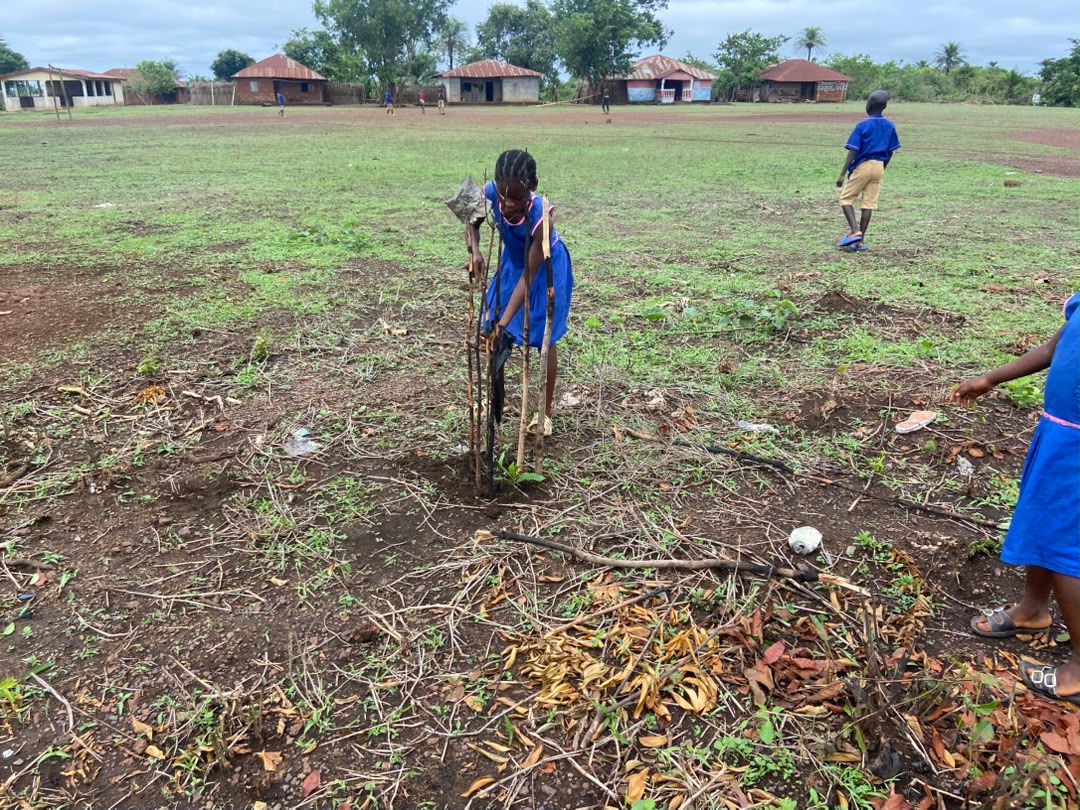
Through this project, SILCC wants readers and viewers to understand that protecting Indigenous languages, cultures, and the environment can be achieved together. By planting and naming trees in Indigenous languages, children learn cultural values, environmental responsibility, and community ownership.
Each child caring for a tree creates a lifelong connection to nature and heritage, while also helping schools become greener, safer, and more sustainable for future generations. Children will also become proud of the legacy trees they planted at their school, even after leaving for further education in more advanced institutions.
We call on readers, organizations, educators, and community leaders to support the revitalization of the severely endangered Mani language by investing in community-led cultural and environmental initiatives. Naming trees in Mani can be a way of teaching children to use the language in daily life. This project creates a living classroom where language, culture, and nature are preserved together. Supporting this initiative will help inspire young people to speak, value, and pass on the Mani language to future generations.
Support This Project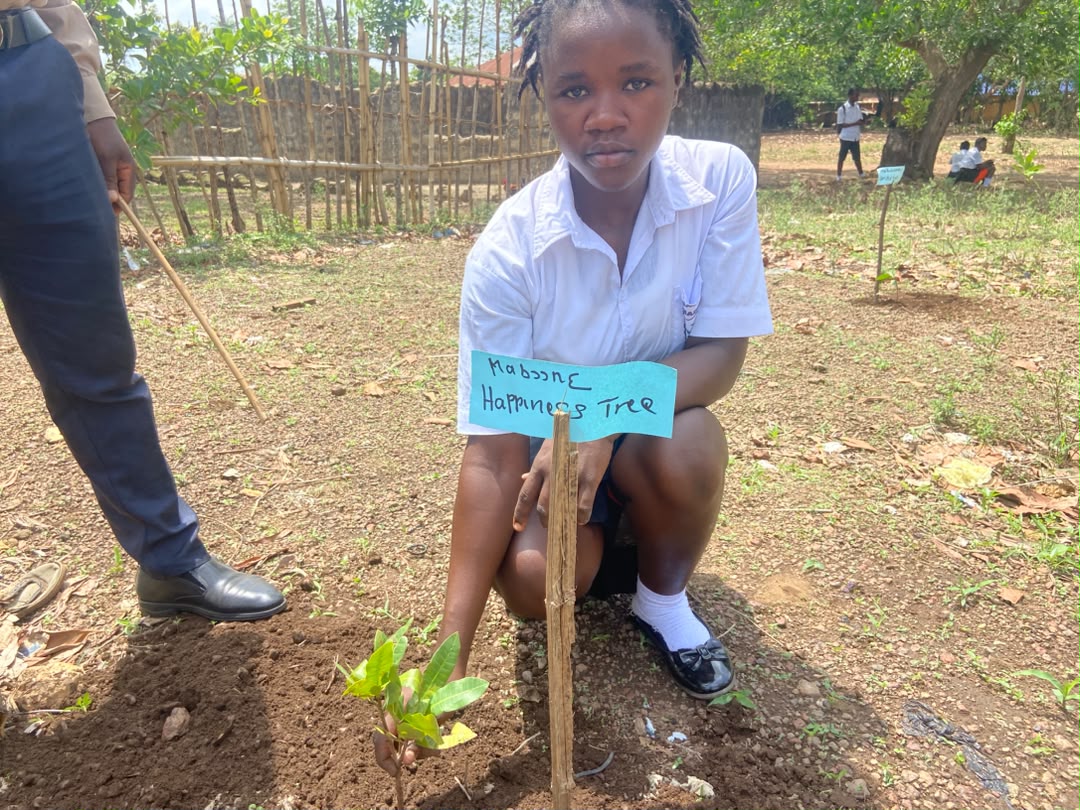
SILCC worked with 32 remote community schools to revitalize endangered languages in Kambia District. The effect of deforestation for charcoal burning left school environments open to wind, risking school buildings. SILCC, as a community based organization, took a venture to replant trees in school environments and, at the same time, tag trees with names in the local language.
Each school will plant 100 trees and maintain 100 vocabularies in the local language. SILCC is targeting to plant 3,200 trees and maintain 3,200 vocabularies, which will be compiled together to make a booklet of them.
Photos and videos from Kambia District's community schools.